

Table of Contents
Buying decisions about heavy-duty trucks become clearer when the vehicle is assessed against a specific job. This guide focuses on configuration for HOWO Electric Heavy Trucks used in predictable depot-return heavy transport. The aim of this heavy-duty trucks guide is to turn an initial inquiry into a decision supported by the right information, a comparable proposal and an agreed acceptance record.
heavy-duty trucks: define the configuration
A useful specification describes the job before it describes the truck. Record the route, load, daily operating hours, loading method and delivery constraints. Separate mandatory requirements from preferences so the seller can explain tradeoffs without silently changing the duty.
For heavy-duty trucks, the application-specific constraint is energy required for the actual cycle plus an operating reserve. Identify it early, because a proposal that ignores this point can look complete while leaving the main operating question unanswered.

Apply the review to HOWO Electric Heavy Trucks
Treat the vehicle, charger and depot supply as one project. The specification should cover usable energy assumptions, charging windows, compatibility and service responsibilities.
The heavy-duty trucks discussion should therefore connect configuration with the actual traction battery, charging equipment and depot electricity supply. Ask the responsible supplier to identify the configuration assumptions and any information still needed from the fleet.
Evidence to request for heavy-duty trucks
Convert the operation into a short acceptance matrix. Each requirement needs a proposed configuration, a supporting document and an agreed method of checking it. Resolve conflicting requirements before comparing prices; a larger body, lower tare and heavier reinforcement cannot all be assumed simultaneously.
A useful heavy-duty trucks evidence pack combines signed build sheet with route energy measurements, charging-window analysis and a site electrical assessment. Keep the vehicle identity and specification revision visible so an otherwise valid record is not mistakenly applied to another build.
Compare the available approaches
Use the table when comparing heavy-duty trucks proposals. It is a purchasing framework, not a statement that every supplier offers the same equipment.
| Review item | Stronger purchasing basis | Weak basis to clarify |
|---|---|---|
| Configuration | A component-by-component specification | A model name with unspecified options |
| Application fit | energy required for the actual cycle plus an operating reserve | A general suitability statement |
| Supporting evidence | Signed build sheet | a diesel vehicle working the same measured cycle assumed equivalent |
| Scope control | Written configuration and approved deviations | Options or exclusions left unresolved |
Battery capacity alone does not establish daily range or productivity. Charging windows, usable energy, temperature, load and auxiliary demand must fit the operation together. An electric vehicle is strongest as a planned system with the depot.
Work through a realistic fleet scenario
Illustrative planning case: A fleet returns to one depot between two shifts. A charging plan that works overnight may still fail if both shifts share a short turnaround and several vehicles arrive together.
For this case, the heavy-duty trucks review should test configuration against energy required for the actual cycle plus an operating reserve. Start with signed build sheet, then check whether the result remains usable during the demanding part of the cycle. If the evidence is incomplete, assign the missing measurement to the operations or supplier team before finalising the configuration.
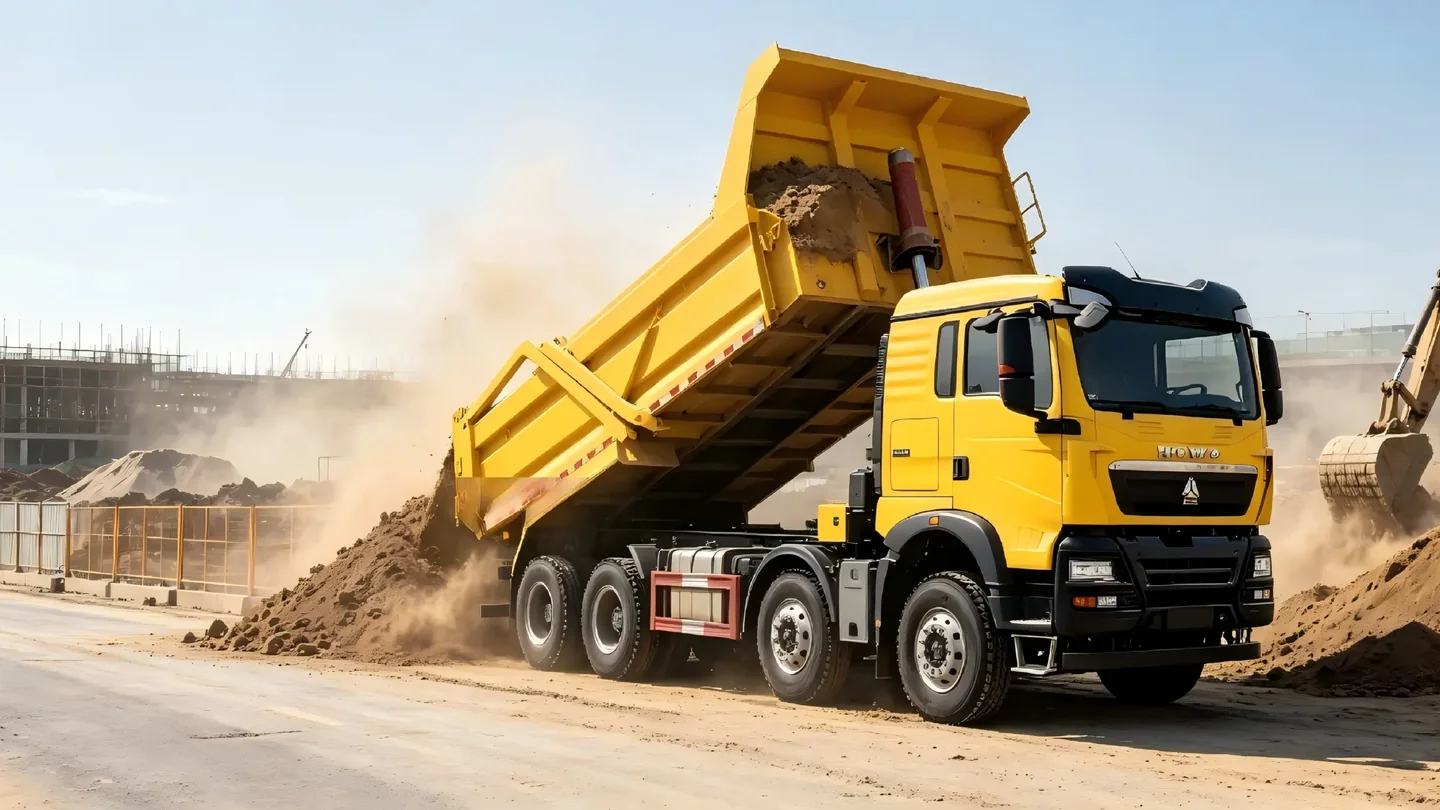
Check the complete vehicle interfaces
The following points connect the heavy-duty trucks decision to the delivered equipment. Use the applicable supplier documents for operating and maintenance procedures; this article is a procurement guide.
- Separate nominal battery capacity from usable energy and reserve.
- Confirm charger protocol and connector compatibility in writing.
- Include queueing, charging losses and shared site power in planning.
- Define battery warranty terms and qualified service arrangements.
Avoid assumptions that change the result
When assessing heavy-duty trucks, distinguish a supplier catalogue value, a measured result and a contractual commitment. They serve different purposes. Available variants can change with the order, and the complete body or trailer can alter the outcome. Resolve discrepancies in the signed specification rather than selecting whichever number is most favourable.
For heavy-duty trucks projects involving repeatable bulk loads on a fixed route, keep the assumptions about the material, route and working equipment together. Revisit the review whenever those assumptions change. A calculation or demonstration remains useful only within the conditions it actually describes.
For background terminology, see the Wikipedia overview of electric trucks. It provides general context; vehicle-specific specifications and operating instructions should come from the responsible supplier.
Prepare a focused inquiry
Review our SINOTRUK HOWO Pure Electric Dump Trucks listing as a starting point, then request confirmation of the current configuration. For a heavy-duty trucks inquiry, send the destination, route, load description, daily duty, required quantity and your configuration priorities.
Ask the Recheng team for a proposal that states the traction battery, charging equipment and depot electricity supply arrangement, the supporting signed build sheet and any unresolved assumptions. You can also use our contact page to discuss the project. Complete the inquiry form below with the operating details so the discussion can move beyond a model name.
Frequently asked questions
Which requirements belong on the order?
Include the complete vehicle configuration, interfaces, operating conditions, documentation and the agreed acceptance evidence.
What is the critical application check for heavy-duty trucks?
Check energy required for the actual cycle plus an operating reserve. For this application, request route energy measurements, charging-window analysis and a site electrical assessment and relate the result to the agreed vehicle configuration.
Can a catalogue specification settle this heavy-duty trucks decision?
Use it to identify the proposed vehicle, then confirm the complete build and the evidence needed for configuration. Catalogue options and completed-vehicle results should not be treated as interchangeable.
Which alternative should the fleet compare?
Compare a diesel vehicle working the same measured cycle on the same duty and evidence basis. Battery capacity alone does not establish daily range or productivity. Charging windows, usable energy, temperature, load and auxiliary demand must fit the operation together. An electric vehicle is strongest as a planned system with the depot.
What should I send with a heavy-duty trucks inquiry?
Send the route, destination, material or load, daily cycle, required quantity and the current question about configuration. Include any existing signed build sheet so the team can identify the next useful check.